Rat Removal in Bellingham WA — Find the Entry, Then Fix the Problem
Rodent Shield Bellingham focuses on Norway rats and roof rats, with inspection, removal, exclusion, cleanup options, and clear next steps for homes across Bellingham and Whatcom County.
Book Your Free Inspection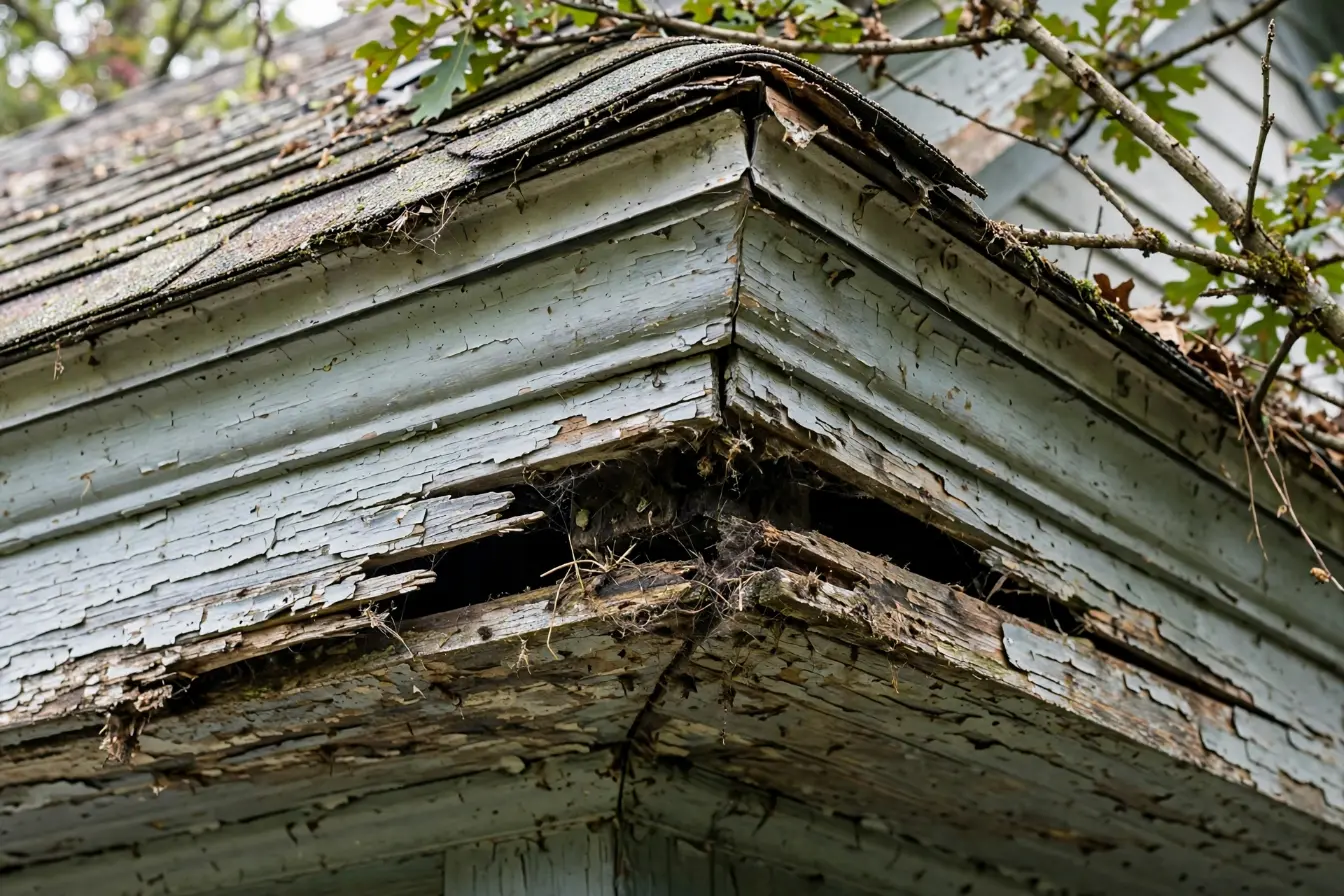
The first thing most callers want to know is not which trap will be used. They want to know how serious the activity is, where the rats are living, and how they are getting into the structure. Bellingham homes present several common rodent-access conditions at once: crawlspaces, utility penetrations, older foundation transitions, garages, roofline gaps, vegetation, and nearby food or shelter sources. The inspection should follow the evidence at the property instead of assuming one citywide cause. Trapping removes the rats currently in your home. It does nothing about the gap in your sill plate, the utility penetration under the gas meter, or the crawlspace vent screen that corroded over the last decade. We seal those gaps. Permanently. With materials rats cannot chew through.
We serve Bellingham, Fairhaven, Columbia, the Lettered Streets, South Hill, Sehome, Birchwood, Ferndale, Lynden, and all of Whatcom County.
Not Sure How Bad the Rat Problem Is?
Your call data shows this is one of the highest-intent questions. A useful inspection should separate a single sighting from established activity by checking the areas that match the symptoms: crawlspace, attic, foundation perimeter, garage, utility penetrations, and interior locations where droppings or noises were reported.
Before approving work, you should be able to answer four questions: what species is likely involved, where the activity is concentrated, which entry points need attention, and what part of the quote is removal versus exclusion or cleanup.
For under-house activity, see crawlspace rodent control. For the difference between catching rats and stopping re-entry, see rat removal vs. exclusion.
Two Rat Species in Bellingham: Each Uses Your Home Differently
This distinction matters more in Bellingham than in almost any other city in Washington State, because both the Norway rat and the roof rat are present in significant numbers here, and they target completely different parts of your home.
Norway Rat (Rattus norvegicus): The Crawlspace Burrower
The Norway rat is the heavy-set rat with a blunt muzzle, a thick tail shorter than its body, and a body that can reach 17 inches. It doesn't climb, it digs. Norway rats burrow near foundations, travel through sewer lines, and enter your home through any ground-level gap a quarter-inch or larger. Norway rats are ground-oriented rodents, so Bellingham’s older crawlspace-heavy neighborhoods such as Columbia and the Lettered Streets deserve especially close inspection at foundation edges, sill transitions, crawlspace vents, utility penetrations, garages, and other low-level access points. The neighborhood context helps set inspection priorities; the evidence at the property confirms the actual problem.
Wet fall and winter conditions can change where rodents seek shelter, but a neighborhood name or rainy week does not prove the source of an infestation. Floor-level scratching, burrows, droppings, rub marks, and confirmed foundation openings are much better evidence to guide the inspection.
Health risks from Norway rats include leptospirosis (transmitted through urine in contaminated water or soil), rat-bite fever, and salmonella. A Norway rat colony living in a crawlspace contaminates insulation with urine and droppings, which then circulate through your HVAC system every time the furnace runs.
Roof Rat (Rattus rattus): The Attic Climber
The roof rat is slimmer, darker, and built for elevation. It travels along utility lines, fence tops, and tree branches, which is why Fairhaven, South Hill, and Edgemoor see the most roof rat activity. Roof rats are capable climbers, so neighborhoods with mature canopy and older rooflines—such as Fairhaven, South Hill, and Edgemoor—need a different inspection emphasis: eaves, soffits, upper wall voids, vegetation contact, fence lines, and utility routes. Nighttime attic noise is a strong clue, but droppings, gnawing, rub marks, nesting material, and visible entry points should confirm the diagnosis.
Bellingham’s waterfront, Whatcom Creek and Squalicum Creek corridors, mature vegetation, older central neighborhoods, wooded-edge properties, and mixed-use buildings create genuinely different rodent inspection profiles across the city. That is why a Columbia crawlspace call, a Fairhaven attic call, and a Downtown shared-wall call should not start with the same checklist.
Why Rat Trapping Alone Doesn't Work in Bellingham
Bellingham is a port city with creek corridors that channel rats from the waterfront directly into residential neighborhoods. When you trap the rats inside your home without sealing entry points, new animals from the Whatcom Creek and Squalicum Creek corridors fill the gap within days. The rats you trapped were one wave. There are more behind them.
The math is straightforward. A Norway rat reaches breeding maturity at three months and produces four to six litters of six to twelve pups per year. A single pair of rats left in a crawlspace over one Bellingham winter can produce a colony of twenty or more animals by spring, each of which is actively establishing new entry points into your living space above.
Permanent rat removal in Bellingham requires two things done in sequence: removing the animals currently inside, and then sealing every entry point so no new animals can follow them in. Skipping the second step means calling again in two months.
Our Rat Removal Process in Bellingham
Every rat removal job follows the same sequence. We do not skip inspection to go straight to treatment, and we do not recommend a specific treatment over the phone before we have seen your home.
Step 1: Free inspection. We inspect your crawlspace, attic, foundation perimeter, garage, utility penetrations, sill plates, and roof eaves. Every confirmed or suspected entry point is photographed and rated by urgency. You receive a written report the same day.
Step 2: Species confirmation. Knowing whether you have Norway rats, roof rats, or both determines where we place traps, what type of traps we use, and which entry points receive priority in the exclusion phase.
Step 3: Mechanical removal. We install snap traps and one-way exclusion devices appropriate to the confirmed species. No rodenticide, no poison risk to your pets, your children, or the hawks and owls that nest around Whatcom Falls Park and Lake Whatcom.
Step 4: Permanent exclusion. Every confirmed entry point sealed with galvanized hardware cloth, steel mesh, copper mesh, or metal flashing. Crawlspace vent covers reinforced where needed.
Step 5: Follow-up and documentation. Seven-day follow-up to confirm trap clearance and seal integrity. Written photo report of completed work emailed the same day.
Step 6: 90-day return guarantee. If rat activity returns after our exclusion work, we come back at no charge.
Rat Damage in Bellingham's Older Homes: What It Actually Costs
Bellingham has a significant inventory of homes built before 1940 in neighborhoods like Columbia, the Lettered Streets, and Fairhaven. In those homes, rat damage tends to be more extensive before it's discovered, because the original construction, wood sill plates, aging plumbing penetrations, settling foundations, creates more entry points and more accessible cavity space for nesting.
Electrical wiring damage from rat gnawing is a documented fire risk. In older Bellingham homes with original wiring already aging in the walls, rats chewing through wire insulation in an inaccessible wall cavity creates a genuine hazard. Rewiring in older Lettered Streets or Fairhaven homes runs $2,000 to $4,000 or more depending on scope.
Crawlspace insulation contaminated by Norway rat nesting costs $800 to $3,500 to replace depending on square footage. HVAC ductwork replacement after rats nest in flex-duct runs $1,200 to $2,500 for a single-story crawlspace home.
Pre-season exclusion before October runs a fraction of those figures. We tell every homeowner in the Whatcom Falls area and the Lettered Streets the same thing: the best time to do this work was last September. The second-best time is now.
Rat Removal Across Bellingham's Neighborhoods
Each Bellingham neighborhood has a different rat profile based on housing age, proximity to water, and canopy connectivity:
Fairhaven and South Hill, roof rat territory. Mature tree canopy, Victorian architecture, proximity to Bellingham Bay and Boulevard Park. Eaves, attic vents, and utility line entry points are the priority inspection areas.
Columbia and Lettered Streets, Norway rat territory. Pre-1940 construction, high crawlspace density, proximity to drainage corridors. Foundation and sill plate gaps are the primary entry points.
Birchwood and Whatcom Falls area, Norway rat pressure from Squalicum Creek and Whatcom Creek. Flooding-season invasion of homes on Lakeway Drive and Woburn Street is consistent every October and November.
Sehome and Happy Valley, house mouse dominant, but Norway rat pressure from aging rental stock near Western Washington University. Between-tenant periods are when infestations establish.
Edgemoor, roof rat activity in large wooded lots near Clark's Point preserve and Chuckanut Drive. Deer mouse risk also present in forested areas.
Frequently Asked Questions: Rat Removal in Bellingham WA
How do I know if I have Norway rats or roof rats in my Bellingham home?
Location and timing are your best clues. If scratching comes from the attic or upper walls and happens at night, you almost certainly have roof rats, they're nocturnal and they live above. If the noise is at floor level or beneath the floorboards, and it intensified after November rains, Norway rats from the creek corridors are the far more likely cause. Droppings tell the same story: Norway rat droppings are larger (roughly half an inch, blunt at both ends) and found along ground-level runways and in crawlspaces. Roof rat droppings are slightly smaller with more pointed ends, found in attics and along upper wall edges. A proper inspection uses several clues together to narrow down the likely species and the areas that need attention.
Can rats chew through the materials you use to seal entry points?
Norway rats can damage or chew through many softer building materials, which is why exclusion should rely on mechanically secured materials appropriate to the opening rather than foam alone. What they cannot chew through is galvanized hardware cloth at quarter-inch gauge or smaller, steel mesh, copper mesh (for utility penetrations where metal-to-metal contact prevents corrosion), and properly installed metal flashing at sill-plate gaps. We use exclusively non-chewable materials at every confirmed entry point. Expanding foam is not used as a primary seal, in Bellingham's wet climate it compresses and cracks, and Norway rats push through it. The difference between materials is the difference between a permanent fix and a two-month fix.
What should I do if I see a live rat inside my Bellingham home?
A visible rat during the day, especially a Norway rat, which is normally nocturnal, often indicates a larger established population. Roof rats are occasionally seen at night moving along upper walls or rafters. Either way, a single sighting is rarely an isolated animal. The steps: don't disturb the rat or the area around it, note the location and time, and call for an inspection. Same-day or next-day inspections are available across Bellingham. If the sighting was in a crawlspace access area or garage, you likely already have a colony, the inspection will establish the scope. Don't attempt to trap and release a live rat outdoors near the property, Norway rats have a home range of 100 to 300 feet and will re-enter within hours.
How much does rat removal cost in Bellingham WA?
Free inspection to start. Trapping-only treatment runs $150 to $350. Partial exclusion, sealing primary entry points, costs $350 to $800. Full home exclusion covering every gap quarter-inch or larger typically runs $600 to $2,500, depending on the age of the home and the number of entry points. Older homes in Columbia and Fairhaven tend to run toward the higher end because settling foundations create more gaps. Crawlspace insulation replacement, when contamination requires it, adds $800 to $3,500. We provide a written estimate after every inspection before any work begins.
How long does rat removal take in Bellingham?
The inspection takes one to two hours depending on home size. Exclusion work, sealing all confirmed entry points, is typically completed in one day for most Bellingham homes. Crawlspace remediation, if insulation replacement is needed, takes one to two days. We perform a follow-up inspection at seven days to confirm seals are holding and traps are clear. Most Bellingham homeowners go from first inspection to completed exclusion work within five to seven days.
Do you use poison bait for rat removal?
No. We use mechanical traps only, no rodenticide. This protects your pets, your children, and the wildlife that nest around Whatcom Falls Park, Lake Whatcom, and Sehome Hill Arboretum, all of which are at risk from secondary poisoning when they eat a rat that consumed rodenticide. Exclusion, sealing the home permanently, eliminates the need for any ongoing bait program.
Is rat removal covered by homeowner's insurance in Washington State?
Standard homeowner's policies in Washington State do not cover pest control services or rodent damage as a general rule, because infestations are considered a maintenance issue rather than a sudden, accidental loss. Some policies have exclusions written specifically for rodent damage. Check your policy language and call your insurer before assuming coverage. We can provide a written damage assessment report if your insurer requests documentation of the extent of rodent damage to support a supplemental claim.
What happens if rats come back after exclusion?
If rat activity returns within 90 days of completed exclusion work, we return at no charge. No exceptions, no fine print. Exclusion work that fails, a seal that doesn't hold, a gap we missed, gets fixed at our cost. The guarantee covers our exclusion work specifically. It does not mean that trapping-only service (without exclusion) includes a return visit, because trapping without exclusion isn't designed to prevent re-entry.
Ready for a Rodent-Free Home?
Free inspection. Serving Bellingham and all of Whatcom County.
Book Your Free Inspection